
ATM-Casting is a precision investment casting manufacturer producing complex, high-integrity metal components in stainless steel, carbon steel and alloy steel. Using the lost-wax casting process, we turn your drawing or 3D model into a finished, assembly-ready part — combining wax pattern tooling, ceramic shell casting, heat treatment, CNC machining and surface finishing under one roof.
Because the ceramic shell is expendable, investment casting delivers the fine detail, thin walls and smooth as-cast surfaces that sand casting cannot match, while avoiding the tooling cost of die casting at low and medium volumes. It is the process of choice for valve and pump components, marine hardware, food and beverage machinery parts, instrumentation bodies and other parts that must be fluid-tight, corrosion-resistant and dimensionally stable.
Investment Casting Capabilities at a Glance
| Capability | Range |
|---|---|
| Casting process | Silica-sol (lost-wax) investment casting |
| Materials | Stainless steel, duplex stainless steel, carbon steel, low-alloy steel, nickel-based alloys |
| Part weight | From a few grams up to 80 kg |
| Maximum part size | Up to 800 mm in the longest dimension |
| Minimum wall thickness | 1.5 mm (2.0 mm preferred for larger parts) |
| General tolerance | ISO 8062-3, typically ±0.1 mm for the first 25 mm and ±0.02 mm per additional 25 mm |
| As-cast surface finish | Ra 3.2 – 6.3 µm |
| Tooling lead time | 15 – 25 days after drawing approval |
| Sample lead time | 25 – 35 days after tooling approval |
| Order quantity | Prototype and low-volume runs welcome; economical from a few hundred pieces per year |
The table above describes our standard capability window. If your part falls outside these ranges, send us the drawing — we will confirm feasibility and, where necessary, propose an alternative process such as aluminium or zinc die casting.
What Is Investment Casting?
Investment casting — also called lost-wax casting or precision casting — is a near-net-shape process in which a disposable wax pattern is coated with refractory ceramic to form a shell. The wax is melted out, the hollow shell is fired, and molten metal is poured into the cavity. Once the metal solidifies, the shell is broken away, leaving a casting that already reproduces the fine detail of the original pattern.
Compared with other casting routes, the process offers three practical advantages:
- Complex geometry in a single piece
- Thin walls with smooth surfaces
- Freedom to use high-melting-point alloys that cannot easily be die cast
That combination makes it ideal for parts that would otherwise need to be assembled or extensively machined from solid bar.
The Investment Casting Process, Step by Step
-
Tooling and wax injection
A hardened aluminium or steel die is machined from your 3D model. Wax is injected into the die to produce patterns that replicate the part cavity, including draft, fillets and machining allowance.
-
Pattern assembly
Patterns are welded onto a central wax runner to form a tree, so that one pour fills many cavities at once.
-
Ceramic shell building
The tree is dipped in refractory slurry and coated with graded stucco, repeated 5 – 7 times until a rigid shell of the required thickness has formed.
-
Dewaxing
The shell is heated in an autoclave (or by flash firing) so the wax melts and drains out, leaving a hollow cavity — the “lost wax” step.
-
Shell firing
Shells are sintered in a kiln at high temperature, which burns off residue and gives the shell the strength to withstand pouring.
-
Melting and pouring
Metal is melted in an induction furnace with the chemistry verified by spectrometer, then poured into preheated shells at a controlled temperature and rate to avoid shrinkage porosity.
-
Knockout and cut-off
The shell is broken away and the castings are cut from the runner system; gates and flashing are ground flush.
-
Heat treatment
Solution annealing, ageing, normalising, quenching and tempering are applied as required to achieve the specified mechanical properties.
-
Finishing and machining
Sand blasting, polishing, CNC turning and milling bring the part to its final dimensions and surface finish.
-
Inspection and documentation
Chemical, mechanical and dimensional checks are carried out against the drawing, and material certificates are issued with the shipment.
Materials We Cast
| Material family | Typical grades | Common applications |
|---|---|---|
| Austenitic stainless steel | 304, 304L, 316, 316L, CF8, CF8M, CF3M | Valve bodies, pump impellers, food and beverage machinery, sanitary fittings |
| Duplex & super duplex | 2205, 2507 | Seawater, chemical and offshore service |
| Precipitation hardening | 17-4PH, 15-5PH | Shafts, valve stems, high-strength hardware |
| Carbon steel | WCB, 1020, 1045 | Brackets, housings, general machinery parts |
| Low-alloy steel | 4140, 42CrMo, 8620 | Gear blanks, wear-resistant components |
| Nickel-based & heat-resistant | Inconel 718, Hastelloy C276 | High-temperature and highly corrosive duty |
Other grades can be cast on request. If you are unsure which alloy suits your working environment, describe the medium, temperature and pressure and our engineers will recommend a material and finish.
Design Guidelines for Investment Casting
Designing for the process from the start keeps tooling simple and unit cost low. The following guidelines cover the features that most often affect feasibility:
| Feature | Recommended guideline |
|---|---|
| Minimum wall thickness | 1.5 mm; use 2.0 mm or more for large, thin-section parts |
| Minimum cast hole diameter | 2.5 mm |
| Draft angle | 1° – 2° on surfaces pulled from the die |
| Linear tolerance | ±0.1 mm up to 25 mm, ±0.02 mm per additional 25 mm (ISO 8062-3 DCTG 4 – 6) |
| Angular tolerance | ±0.5° |
| Machining allowance | 0.5 – 1.5 mm on faces that will be machined |
| As-cast surface roughness | Ra 3.2 – 6.3 µm; Ra 1.6 µm or better after machining |
| Fillets and radii | Increase corner radii to avoid hot spots and shrinkage porosity |
Value-Added Services Under One Roof
Casting is only part of the job. Because machining and finishing are carried out in the same plant, dimensions, lead time and quality stay under one point of control:
-
CNC machining
Turning, milling, drilling, tapping and reaming of castings to finished, assembly-ready condition or machined from bar stock.
-
Surface treatment
Sand blasting, shot blasting, polishing, passivation, anodising, zinc / nickel / chrome plating and powder coating.
-
Heat treatment
Solution annealing, ageing, normalising, quenching and tempering.
-
Assembly and packaging
Sub-assembly, thread protection and export-grade packing on request.
Quality Control and Inspection
Every precision casting is produced under our ISO 9001 quality management system and inspected before shipment:
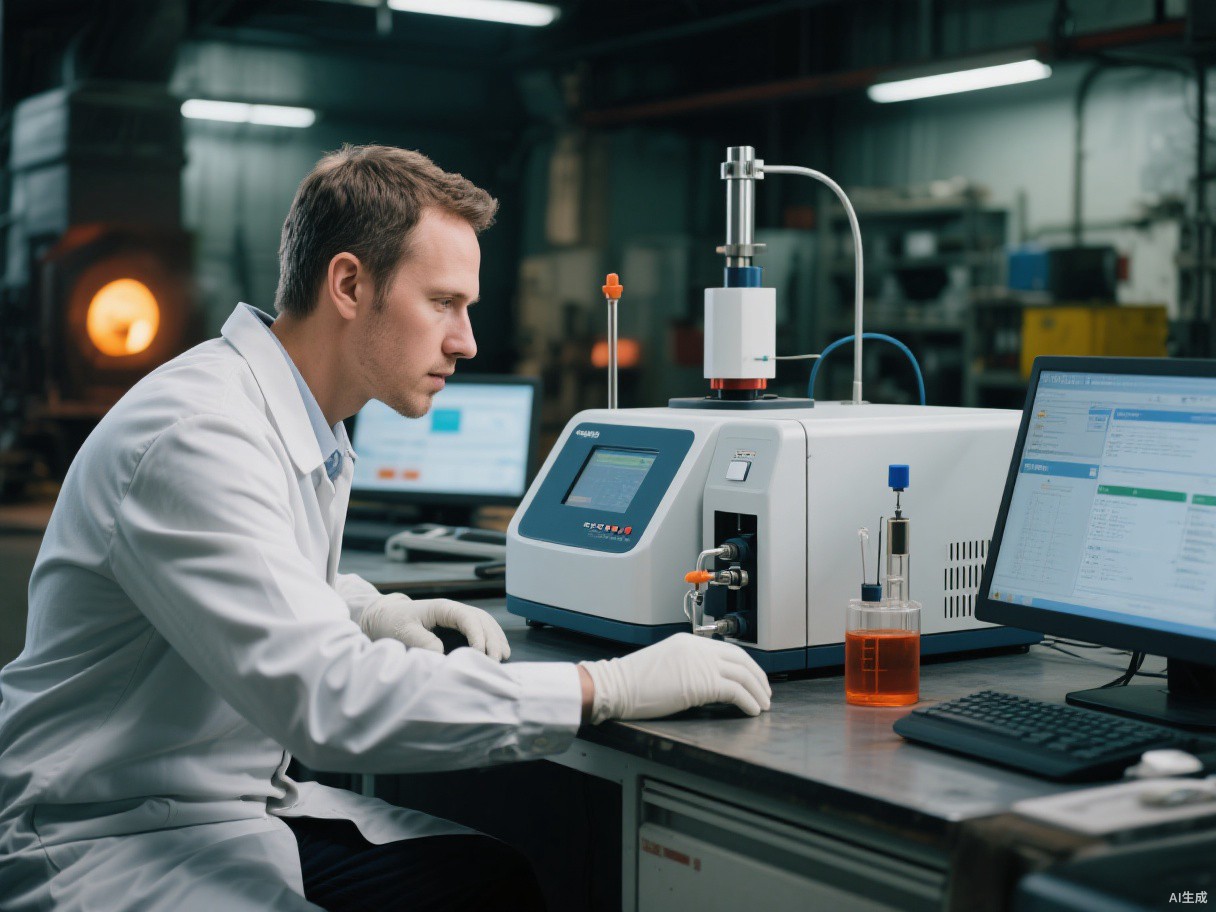 Chemical composition
Optical emission spectrometry on every heat, reported against the specified grade.
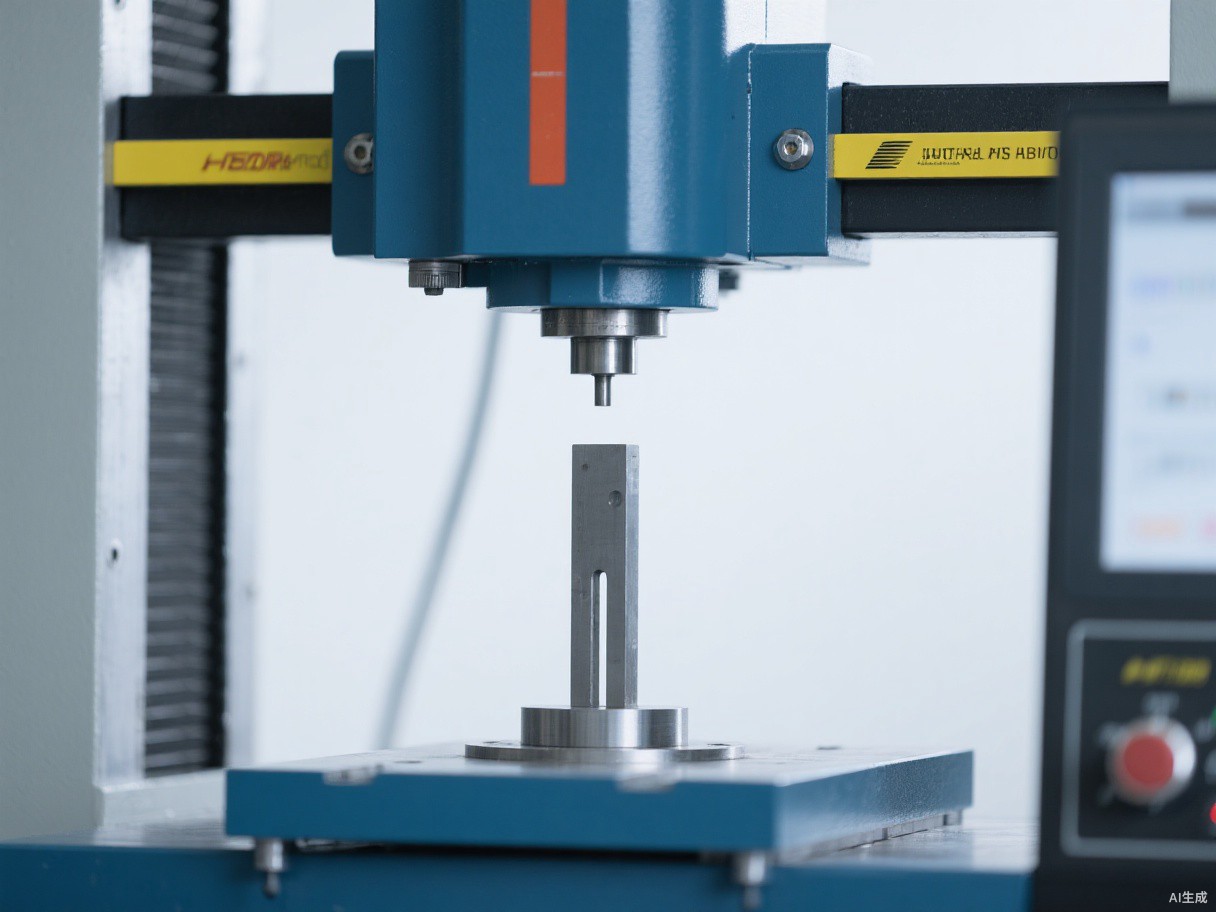 Mechanical properties
Tensile, yield, elongation and hardness testing where required.
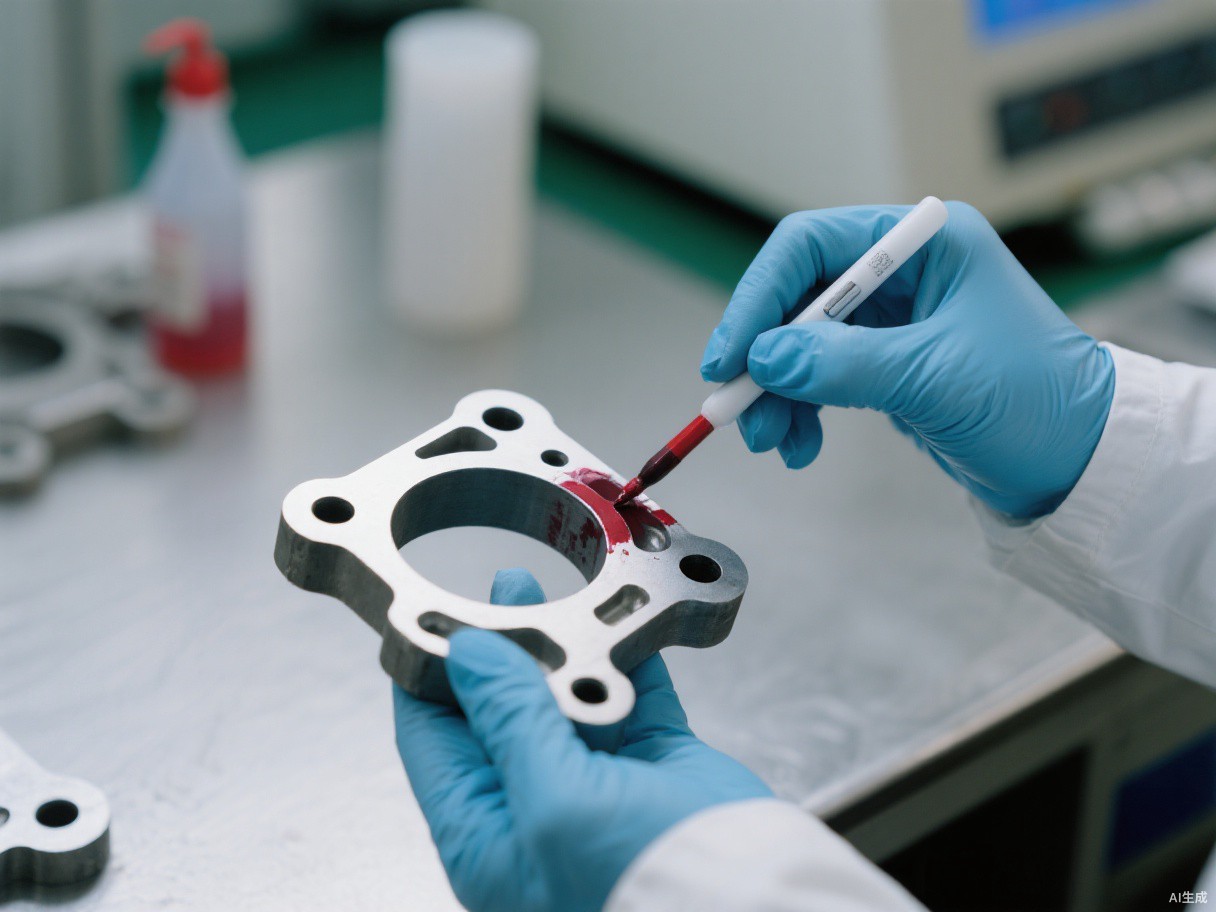 Non-destructive testing
Dye penetrant (PT), radiographic (RT) and ultrasonic (UT) inspection on request, including pressure-tightness testing for valve and pump parts.
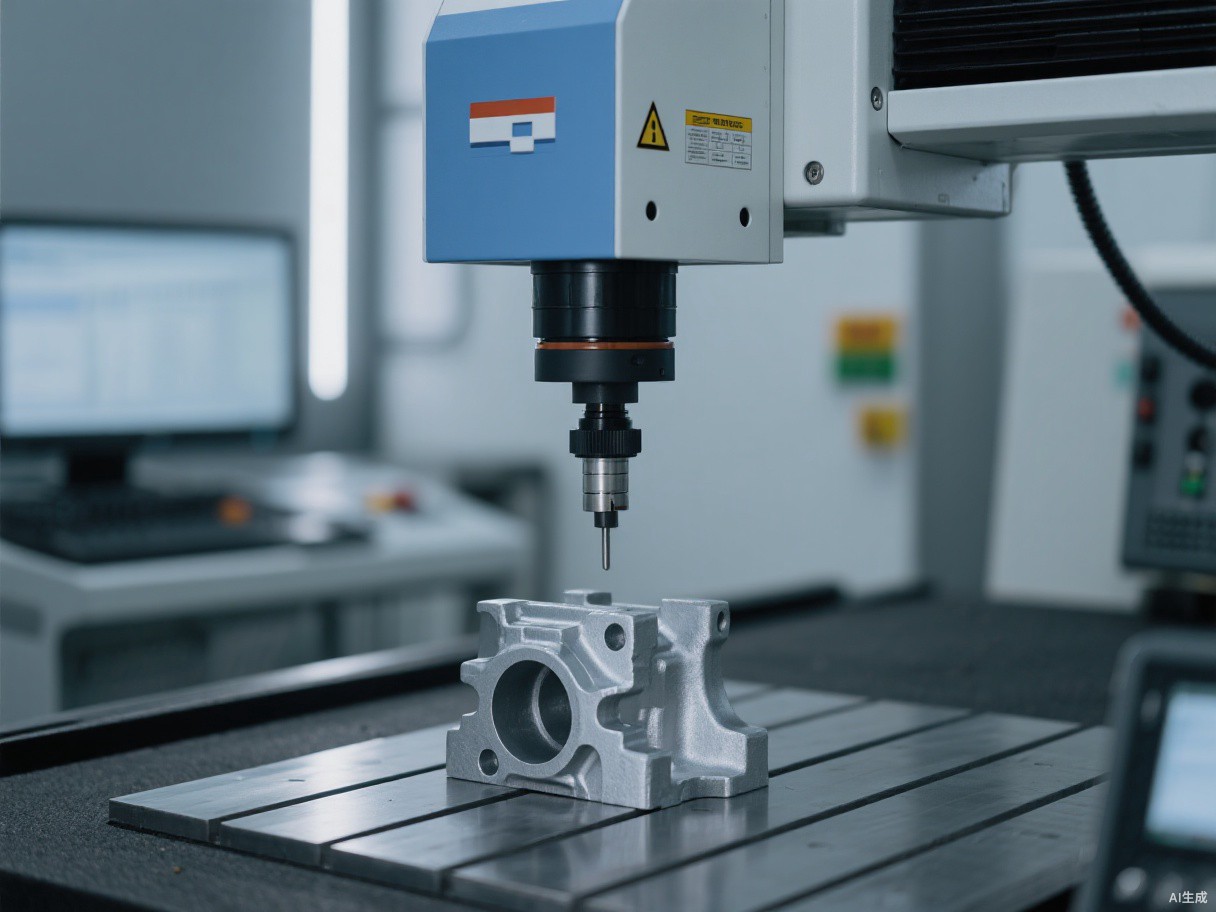 Dimensional inspection
CMM and conventional gauging against the drawing, with first-article and batch inspection reports.
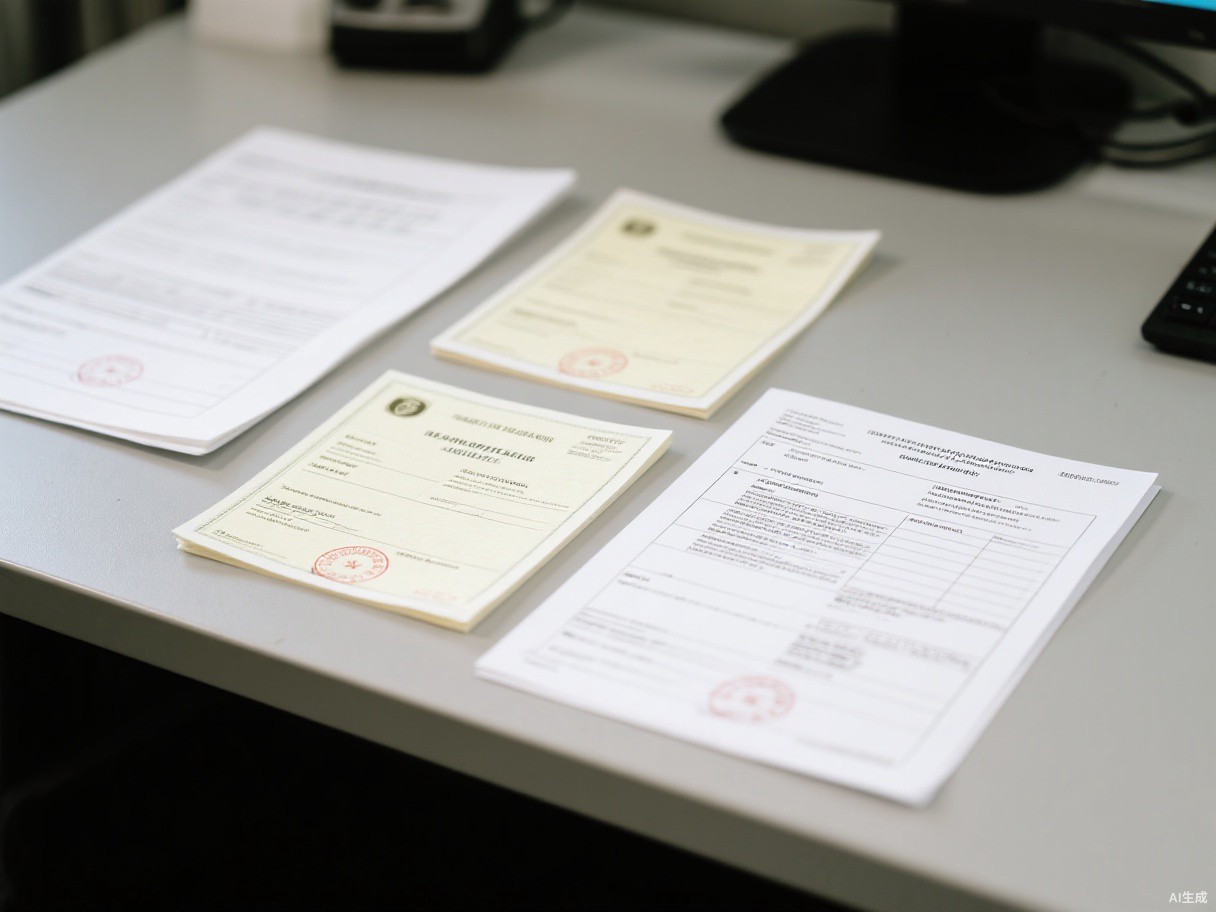 Documentation
Material certificates to EN 10204 3.1, dimensional reports and inspection records supplied with the shipment.
Industries and Applications
Precision investment castings from ATM-Casting are used across industries where reliability and corrosion resistance matter:
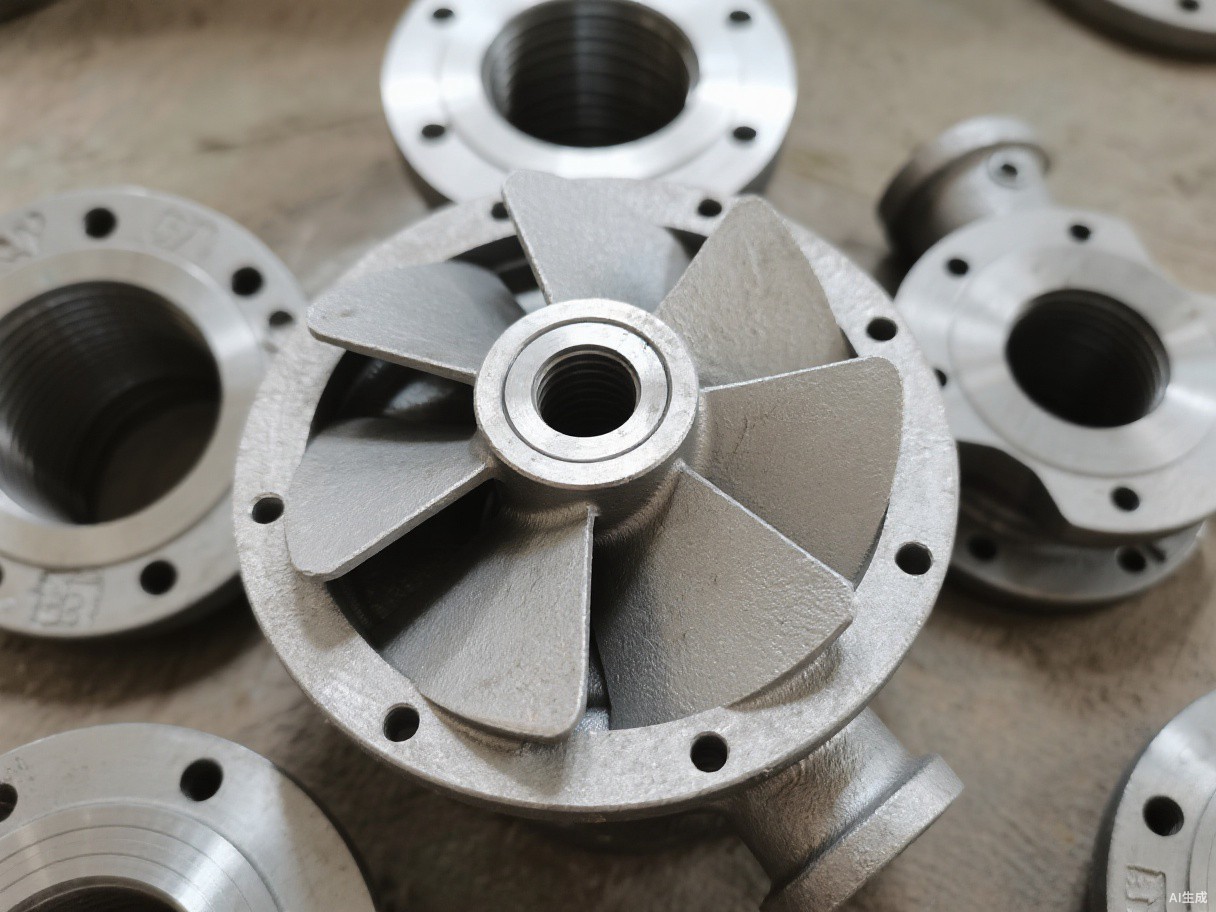 Pumps and valvesValve bodies, bonnets, impellers, diffusers and stainless valve stems.
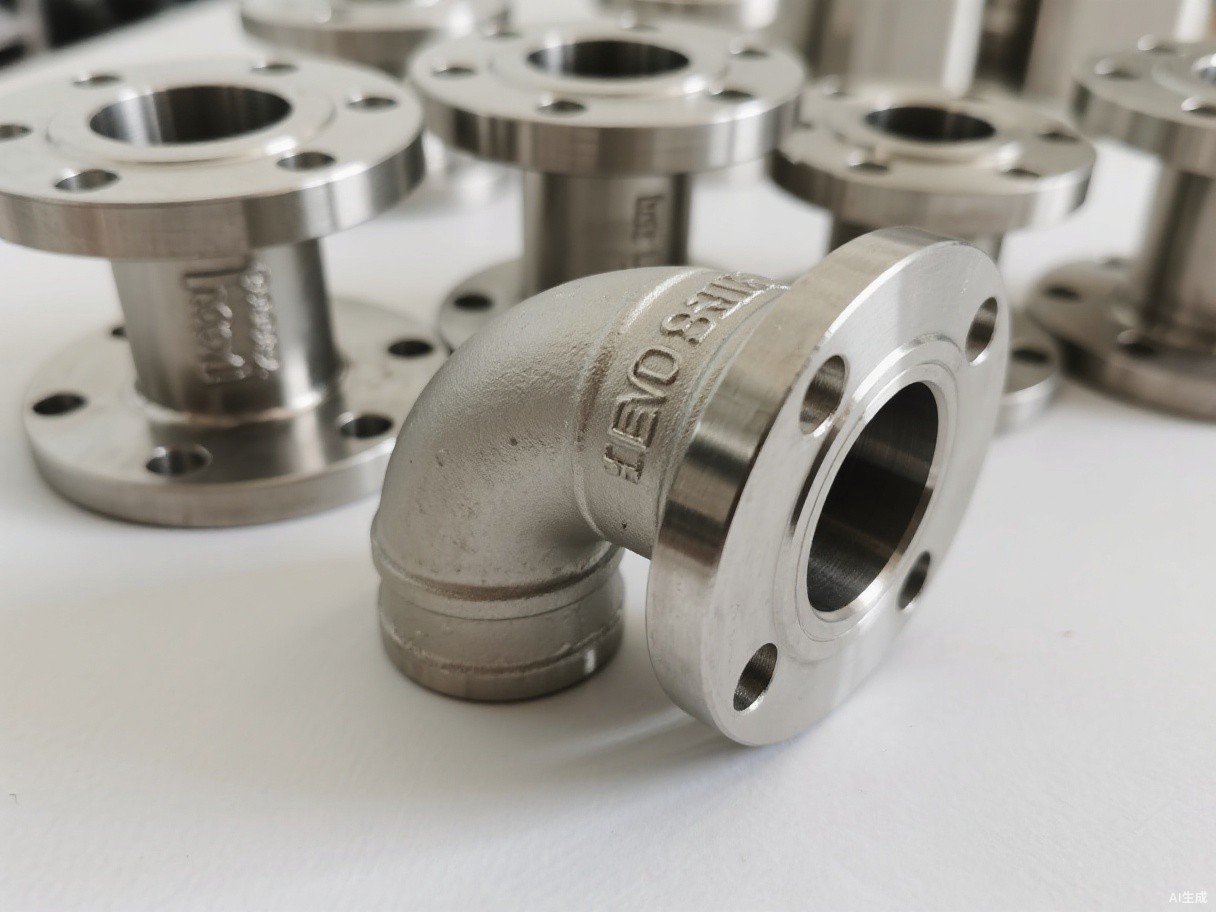 Pipe fittings and fluid handlingFlanges, elbows, sanitary fittings and manifold bodies.
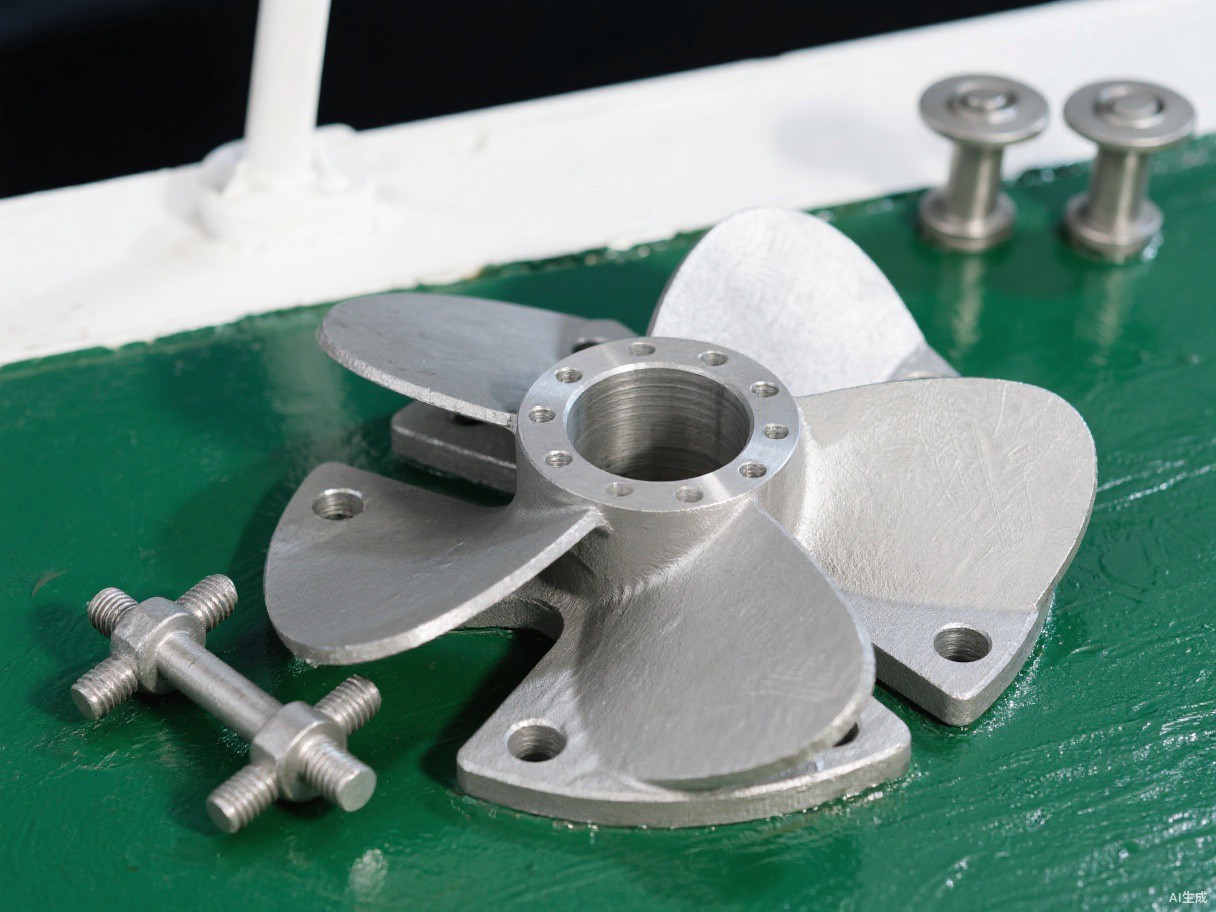 Marine and offshorePropeller hubs, deck hardware, seawater-resistant components.
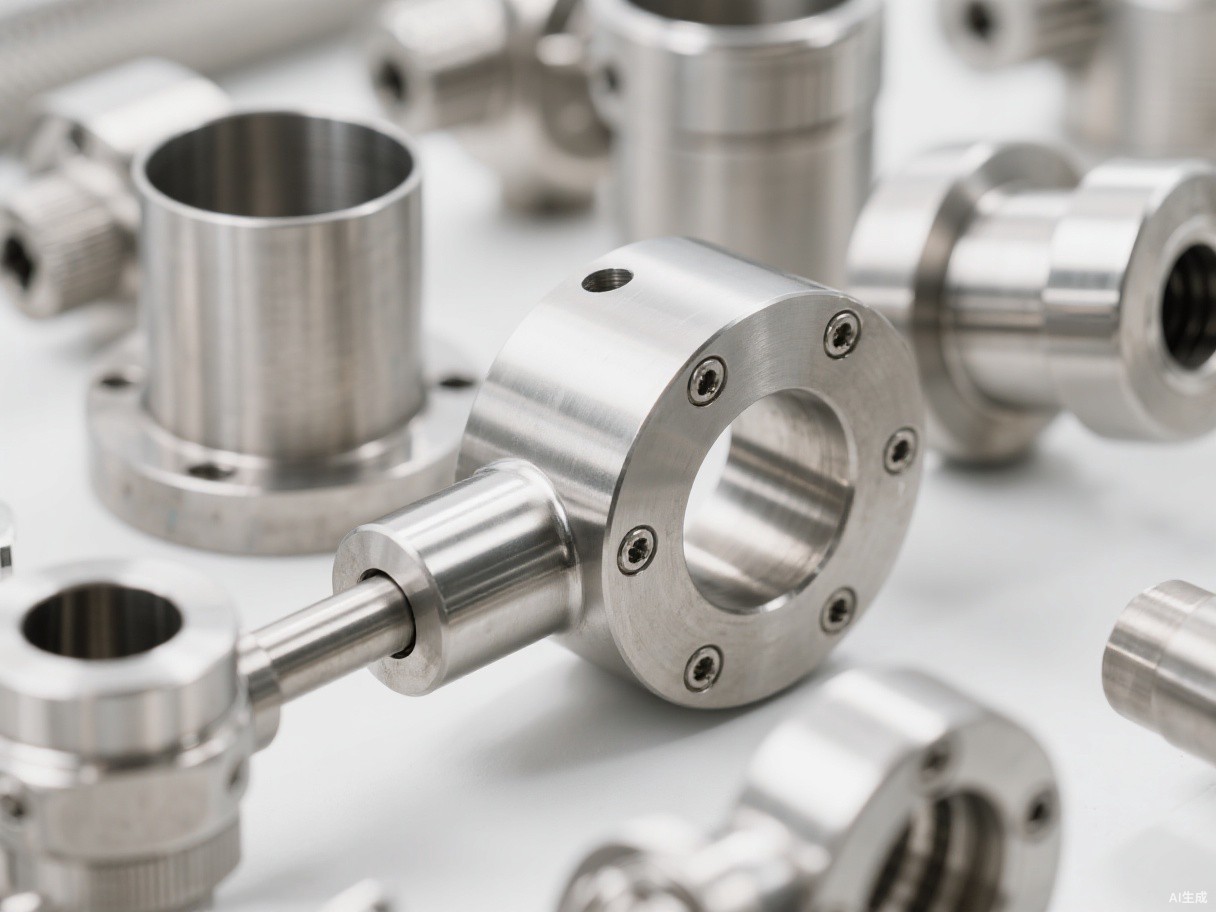 Food and beverage processingHygienic stainless parts for filling, mixing and conveying equipment.
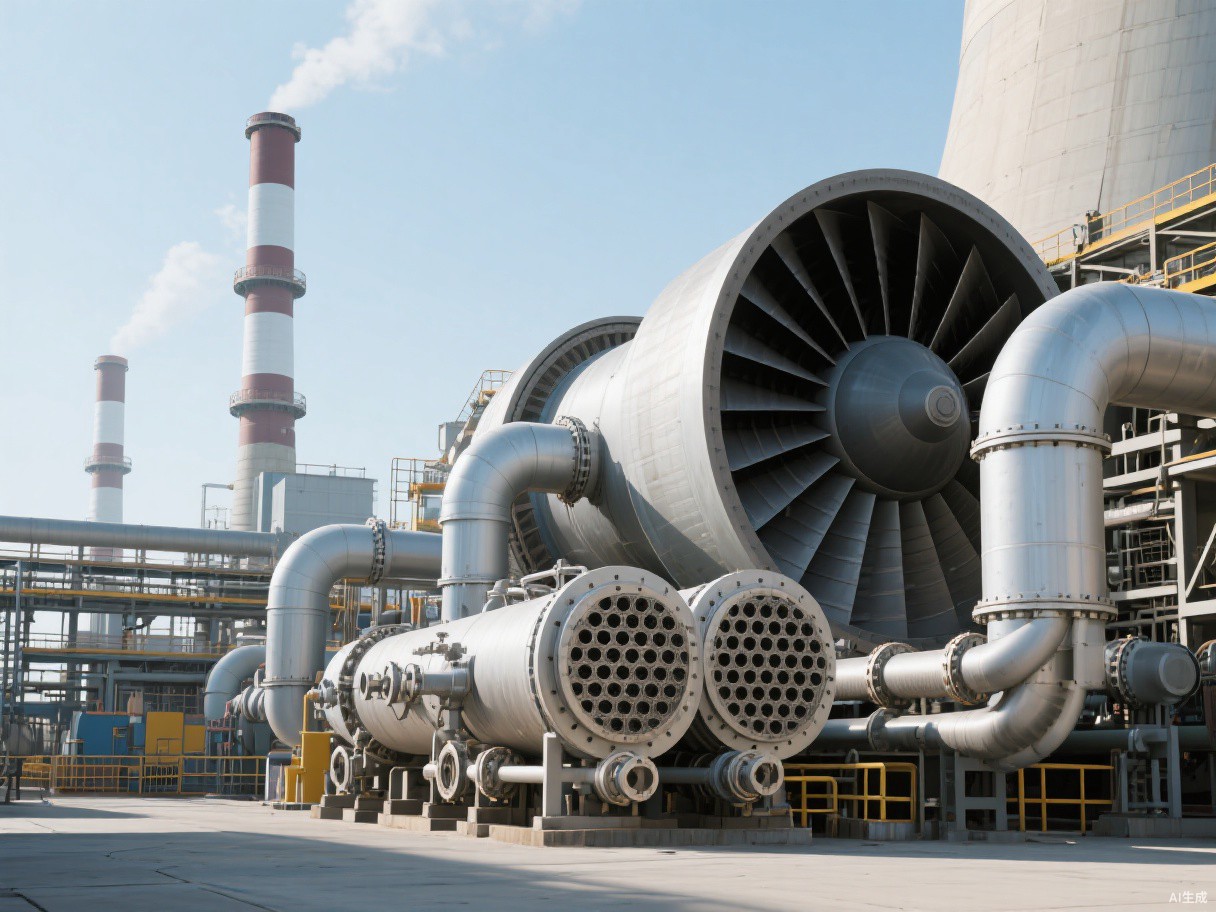 Energy and powerTurbine and compressor components, burner and heat-exchanger parts.
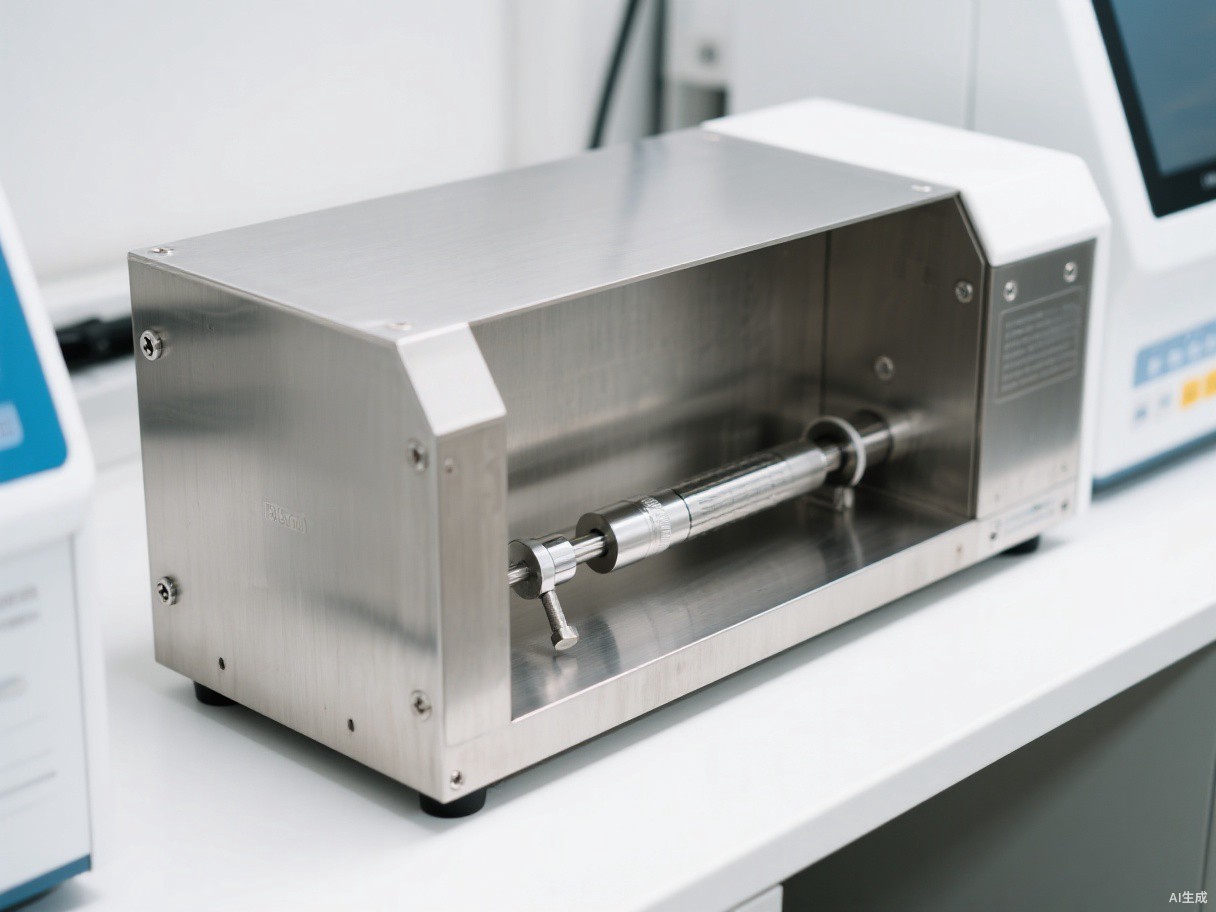 Medical and laboratory equipmentInstrument housings and stainless components with fine surface finish.
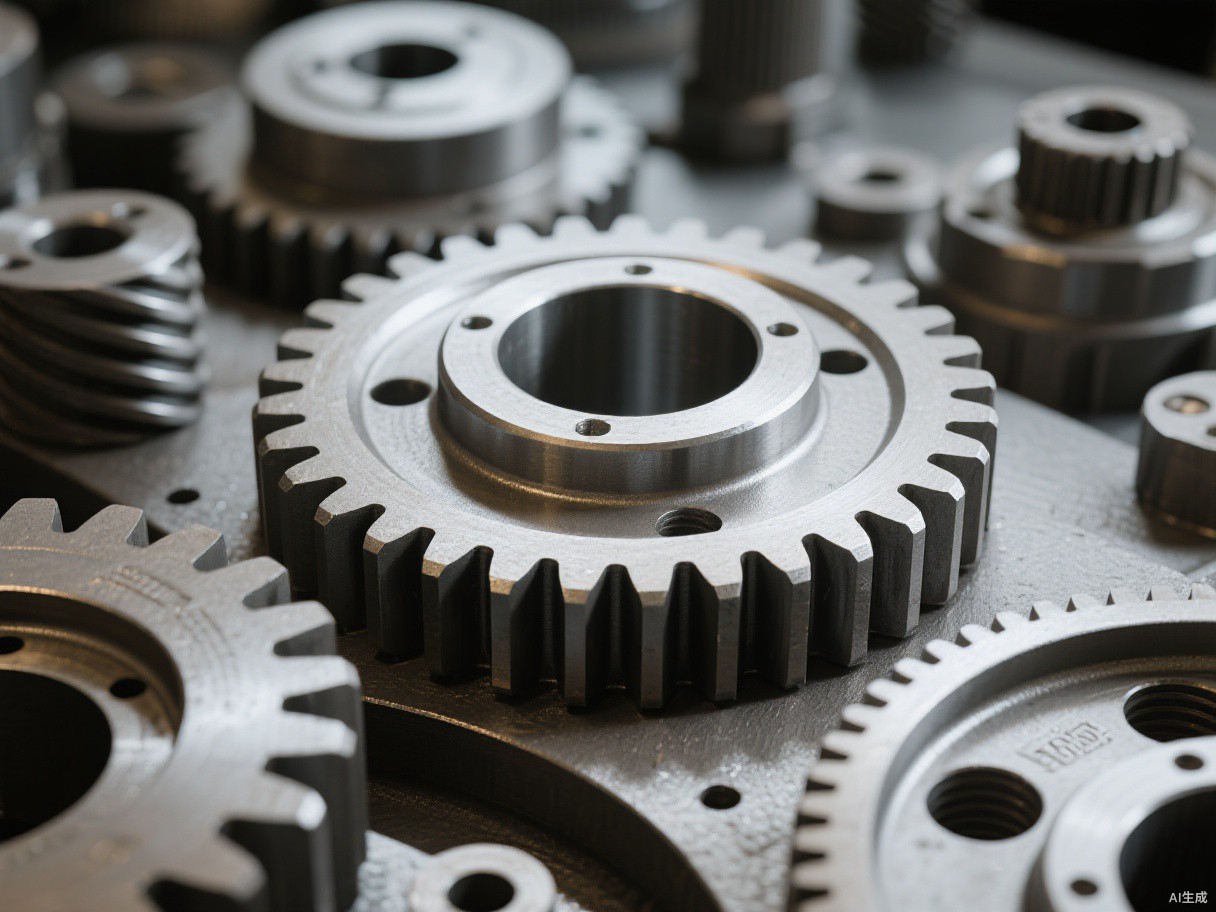 Automotive and industrial machineryBrackets, gear blanks, gearbox and transmission parts.
Browse the full range in our product catalogue, or send us your part for a feasibility review.
Why Choose ATM-Casting
-
One-stop manufacturing
Precision casting, die casting, CNC machining and surface treatment are all carried out in-house, so you deal with a single supplier from drawing to finished part.
-
Engineering support at quotation stage
Our engineers review your drawing for castability, propose DFM improvements and confirm alloy, tolerance and finish before tooling is cut.
-
15+ years of casting experience
Serving automotive, pump and valve, medical, energy and industrial customers worldwide.
-
Consistent quality
A documented ISO 9001 system, in-house material analysis and full dimensional verification on every batch.
-
Fast response
Enquiries are answered by an engineer within 24 hours, with a clear price, lead time and tooling plan.
Frequently Asked Questions
What is the difference between investment casting and die casting?
Investment casting uses a disposable ceramic shell and a wax pattern, which allows high-melting-point alloys such as stainless steel and complex, thin-walled geometry — but cycle times are longer. Die casting injects molten aluminium or zinc into a reusable steel die, giving a much lower unit cost at high volumes for parts that do not require steel-level strength or corrosion resistance.
What is the minimum order quantity for precision castings?
We support prototype and low-volume runs as well as series production. Because a wax pattern die is required, the process becomes most economical from a few hundred pieces per year; single-piece prototypes can also be produced from an existing tool or by a rapid-tooling route.
How long does it take to receive samples and production parts?
Tooling usually takes 15 – 25 days after drawing approval, with first samples following 25 – 35 days later. Production lead time depends on quantity, alloy and finishing requirements and is confirmed in the quotation.
Can you supply machined and finished parts rather than raw castings?
Yes. Machining and surface treatment are carried out in the same plant, so we can deliver parts cast, heat-treated, machined, finished and inspected — ready for your assembly line.
What files do you need for a quotation?
A 2D drawing (PDF or DWG) or a 3D model (STEP, IGS, STL or X_T), together with the alloy, annual quantity, critical tolerances and the required surface finish. If some details are still open, our engineers will advise.
Start Your Precision Casting Project
Send your drawing or 3D model, the alloy and your annual volume — our engineers will confirm feasibility, propose the most economical process and reply with a quotation within 24 hours.
Direct line +86 18521083885|[email protected]
 Pre-sales Agent
